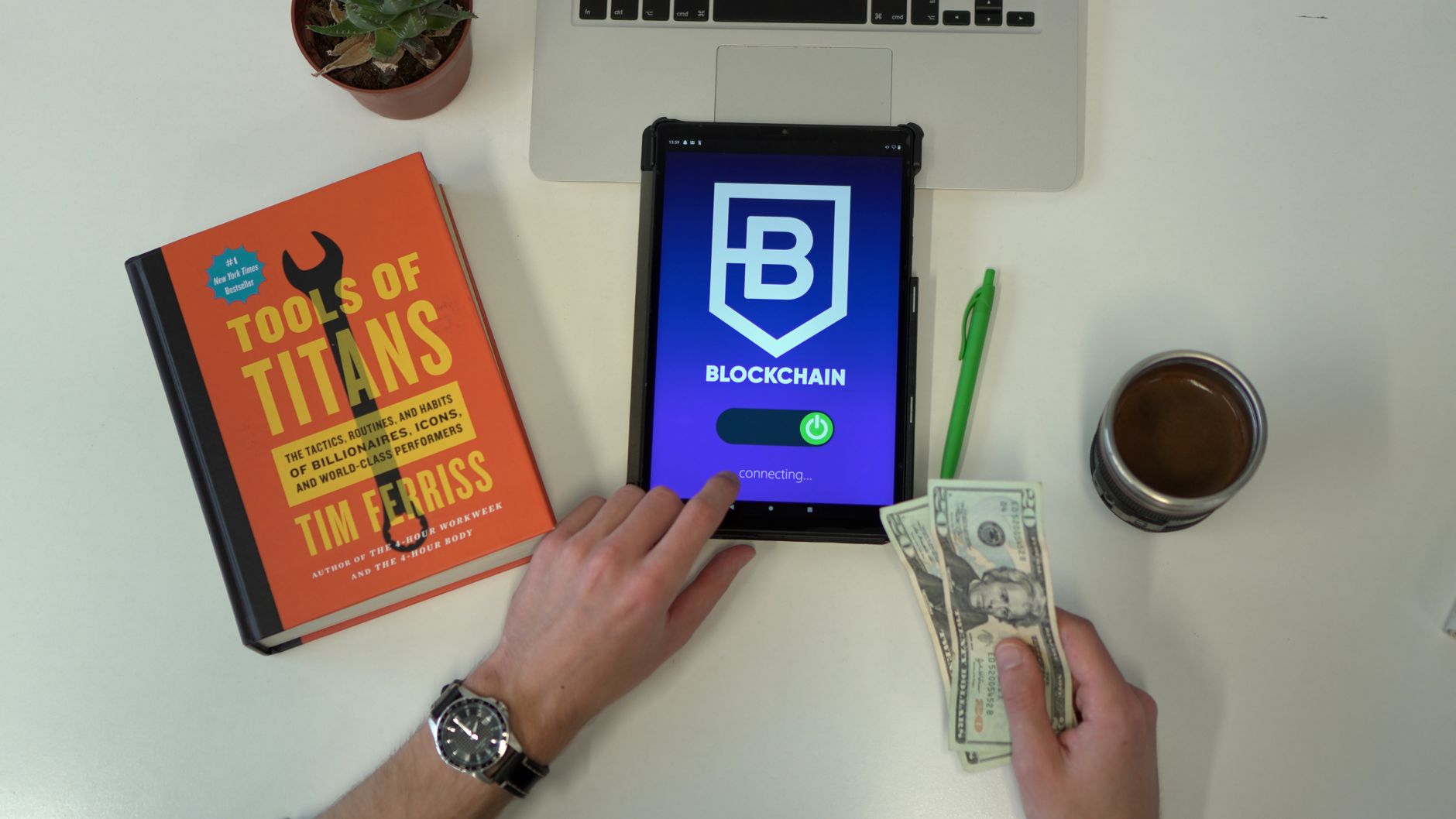
Placing Your Bets with Crypto: A Step-by-Step Guide for World Cup 2026 Sportsbooks
Navigating the burgeoning landscape of crypto sportsbooks for World Cup 2026 can seem daunting, but with a clear understanding of the process, you'll be placing your bets with confidence. The initial step involves selecting a reputable platform. Look for sportsbooks with a strong track record, transparent terms and conditions, and excellent customer support – often indicated by positive user reviews on independent forums. Prioritize sites that offer a wide array of cryptocurrencies for deposits and withdrawals, not just Bitcoin, to ensure flexibility. Furthermore, verify the platform's licensing and regulatory compliance, as this is crucial for the security of your funds and the fairness of the odds. Many top-tier crypto sportsbooks will prominently display this information on their homepage, often accompanied by seals of approval from relevant gaming authorities. A little due diligence here goes a long way in ensuring a smooth and secure betting experience.
Once you've chosen your preferred crypto sportsbook, the next phase involves setting up your account and funding it. This typically begins with a simple registration process, requiring an email address and a strong password. Some platforms may also implement Know Your Customer (KYC) protocols for larger withdrawals, so be prepared to provide identification if necessary. After registration, head to the 'deposit' section. You'll be presented with a list of supported cryptocurrencies and corresponding wallet addresses. Always double-check the wallet address before initiating a transfer from your personal crypto wallet to avoid irreversible errors. For beginners, it's often advisable to start with a smaller, test transaction. Once your funds are confirmed – which usually takes a few minutes to an hour depending on the blockchain network – you're ready to explore the World Cup 2026 betting markets. Look for competitive odds and a variety of betting options, from outright winners to specific match outcomes, to maximize your potential returns.
Crypto sports betting offers a revolutionary way for enthusiasts to wager on their favorite sports, leveraging the power of blockchain technology for enhanced security and transparency. This innovative approach to online betting allows users to place bets using various cryptocurrencies, providing a decentralized and often more private alternative to traditional methods. With the rise of digital assets, crypto sports betting is rapidly gaining traction, appealing to a new generation of bettors who prioritize speed, lower fees, and anonymity in their online transactions.
Navigating Crypto Sportsbooks: Security, Payouts, and Answering Your Top Questions
When diving into the world of crypto sportsbooks, your primary concerns should undoubtedly revolve around security and reliability. Unlike traditional platforms, the decentralized nature of cryptocurrencies introduces unique considerations. Look for sportsbooks that employ robust encryption protocols, two-factor authentication (2FA), and cold storage solutions for user funds. A transparent history of operations and a strong community reputation are also crucial indicators. Before committing, always verify the platform's licensing and regulatory compliance, as this provides a layer of protection and ensures adherence to industry standards. Prioritizing these security measures will safeguard your investments and provide peace of mind as you place your wagers.
Beyond security, understanding the ins and outs of payouts is paramount. Crypto sportsbooks often boast faster withdrawal times compared to their fiat counterparts, but the exact speed can vary significantly depending on the cryptocurrency used and the platform's internal processing. Always check for any associated withdrawal fees, minimum/maximum payout limits, and potential KYC (Know Your Customer) requirements that might delay your first withdrawal. Frequently asked questions often include:
- "How long do withdrawals take?"
- "Are there any hidden fees?"
- "What if a transaction fails?"