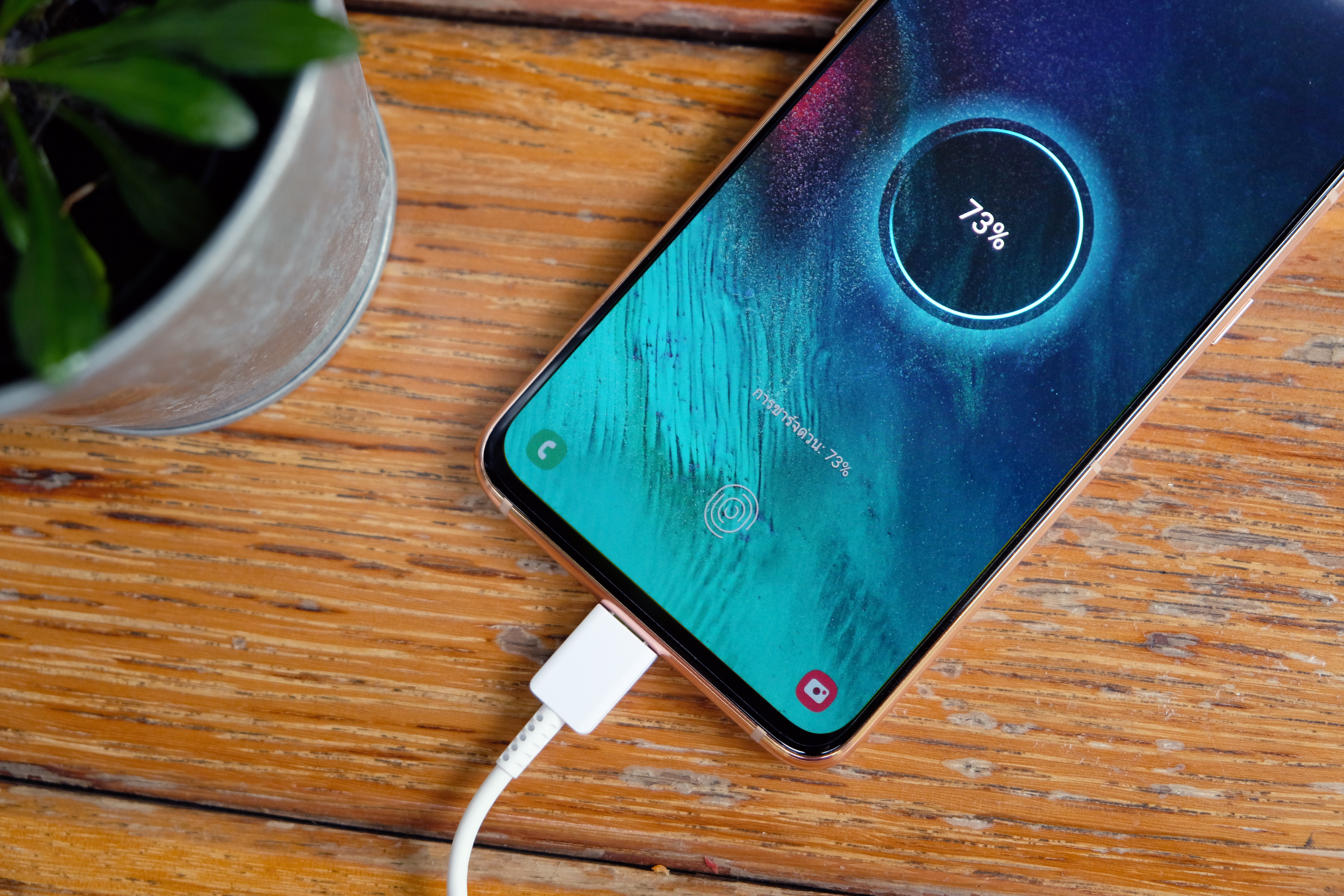
The Science Behind Fast Charging: How It Boosts Your Phone's Performance
The advent of fast charging technology has revolutionized the way we use our smartphones, significantly enhancing their performance and usability. Fast charging works by increasing the power output offered by the charger, allowing a battery to replenish its energy at a rapid rate. This is achieved through advanced charging protocols and improved battery chemistry, which together enable devices to draw more current without overheating. Experiments and research indicate that charging a device quickly not only saves time but also optimizes battery health, ensuring that your phone retains its charge capacity over a longer period.
Moreover, fast charging has implications beyond mere convenience; it also affects the overall functionality of your smartphone. For instance, with quicker charge times, users experience less downtime between tasks and a more seamless integration of their devices into daily routines. As you can imagine, the longer your phone stays charged, the better it performs—offering faster processing speeds, smoother app functionality, and an enhanced user experience. In the fast-paced world we live in, empowering users with better performance through technology like fast charging is not just beneficial; it is essential.
Counter-Strike is a highly popular tactical first-person shooter game that emphasizes teamwork and strategy. Players can choose to fight as terrorists or counter-terrorists, with each match featuring objectives such as bomb planting or hostage rescue. Along with its exciting gameplay, many players also appreciate the need for quality peripherals, such as finding the Top 10 magsafe chargers to enhance their gaming experience.
Fast Charging vs. Regular Charging: Which One is Right for You?
When it comes to powering up your devices, the debate between fast charging and regular charging is more relevant than ever. Fast charging technology allows you to recharge your smartphone or tablet much quicker than traditional methods, often reducing the time it takes to reach full battery to just a fraction of what it once was. This is particularly beneficial for those on the go, as a quick boost can be all you need to carry on with your day. However, the trade-off often includes concerns over heat generation and long-term battery health. In contrast, regular charging offers a more gradual power-up that many believe is gentler on battery lifespan, making it a reliable choice for users who prioritize longevity over speed.
To determine which option is right for you, consider your daily usage and habits. If you frequently find yourself in need of a quick charge between meetings or during a busy day, fast charging could be the answer you’re looking for. On the other hand, if you can manage your charging schedule and are more concerned about preserving the life of your device's battery, sticking with regular charging might be the smarter option. Ultimately, understanding the pros and cons of each method will help you make an informed choice that best suits your lifestyle.
Is Fast Charging Safe? Debunking Myths and Misconceptions
The rising popularity of fast charging technology has led to numerous myths and misconceptions surrounding its safety. Many users fear that utilizing a fast charger can damage their devices or degrade the battery life over time. However, it’s important to note that most modern smartphones and devices are designed with sophisticated battery management systems that regulate charging speeds. These systems not only enhance efficiency but also ensure that the device receives an appropriate amount of power based on its current charge level. Consequently, when using a certified fast charger, the risks of damage are significantly minimized.
Another common misconception is that all fast chargers are created equal. In reality, using a charger that does not meet the specifications set by your device's manufacturer can indeed pose risks. It’s essential to opt for chargers from reputable brands or those specified in the device manual. Additionally, be cautious of third-party chargers claiming high charging speeds that may not adhere to safety standards. By prioritizing quality and compatibility, you can **debunk the myth** that fast charging is inherently dangerous and continue to enjoy the convenience it brings to your daily tech usage.