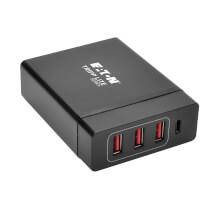
The Evolution of USB Chargers: From Standard to Superfast
The evolution of USB chargers has seen a remarkable transformation from basic connectivity to lightning-fast charging capabilities. Initially introduced in the late 1990s, USB (Universal Serial Bus) technology was primarily designed for data transfer and powering small devices. The original USB 1.0 standard offered a mere 1.5 Mbps transfer speed and 2.5 watts of power, which was sufficient at the time for peripherals like keyboards and mice. However, as technology advanced, the demand for greater speed and power led to significant upgrades. With the introduction of USB 2.0 in 2000, transfer speeds increased to 480 Mbps and power output rose to 5 watts, accommodating more energy-hungry devices like smartphones and tablets.
Fast forward to today, and we are witnessing yet another leap forward with the advent of superfast USB charging. Standards such as USB 3.0 and USB-C have revolutionized the charging landscape. USB 3.0 brought transfer rates of up to 5 Gbps, while USB-C introduced a versatile connector that supports higher power delivery—up to 100 watts. Coupled with technologies like Power Delivery (PD) and Quick Charge, devices can now charge up to 70% faster than before, allowing users to minimize downtime. As the industry continues to innovate, the future promises even faster charging solutions, further solidifying USB's role as the go-to standard for powering our devices.
Counter-Strike is a popular first-person shooter game that has captivated players worldwide since its initial release. The game emphasizes teamwork and strategy, allowing players to compete in various scenarios such as bomb defusal and hostage rescue. For players looking for reliable gear, it's crucial to stay powered up during long gaming sessions. Check out the Top 10 Compact Travel Chargers to keep your devices running smoothly.
How to Choose the Right USB Charger for Your Devices
Choosing the right USB charger for your devices is essential to ensure efficient charging and to prolong the lifespan of your gadgets. First, consider the power output of the charger, which is usually measured in watts (W) or amps (A). Most modern devices, including smartphones, tablets, and laptops, require specific power levels for optimal charging. For instance, a standard smartphone may require 5W, while a tablet may need 12W or more. Always check the manufacturer's specifications to find the recommended charger output for your device.
Additionally, think about the charging speed. Chargers that support quick charging technologies, such as Qualcomm Quick Charge or USB Power Delivery, can significantly reduce the time it takes to power up your devices. To help you choose, here’s a quick checklist:
- Assess the power needs of your devices.
- Look for chargers that match or exceed those requirements.
- Check for compatibility with fast charging features.
- Consider the number of ports you need if charging multiple devices.
Common Myths About USB Chargers Debunked
When it comes to USB chargers, many myths abound that can mislead consumers. One common misconception is that using a generic charger can damage your device. In reality, as long as the charger meets the USB power standards, it will not harm your device. The key is to ensure that the voltage and current ratings match your device's requirements. High-quality generic chargers often deliver the same performance as their brand-name counterparts, and worrying about damage is rarely necessary.
Another prevalent myth is that using a phone while it's charging slows down the charging process significantly. While it's true that intensive use can take some power away from the charging process, the difference is often negligible. Most modern smartphones are designed to handle multitasking even while plugged in. To maximize charging speed, consider using a charger that supports fast charging technology and a compatible cable. Ultimately, your device manages its power consumption efficiently, allowing you to use it without major concerns about charging time.